




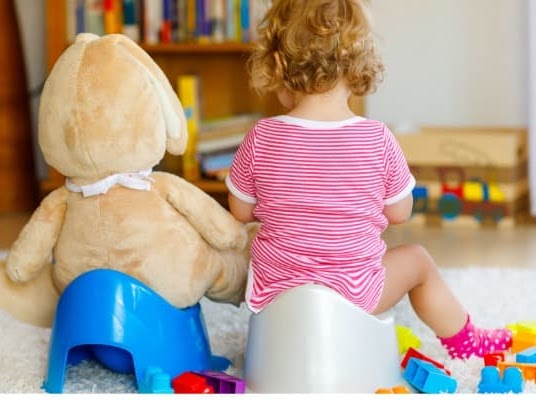
Potty training is one of those milestones that feels both exciting and overwhelming for many families. Every child learns at their own pace, and there’s no one-size-fits-all approach. The goal is progress, not perfection.
1. Wait for Signs of Readiness
Children usually show signs they’re ready between 18 months and 3 years. Look for cues like:
- Staying dry for 2+ hours
- Showing interest in the toilet or wearing underwear
- Communicating when they need a diaper change
2. Create a Comfortable Environment
Introduce the potty chair or seat gradually. Let your child explore it without pressure.
3. Keep It Positive
Celebrate successes—big or small. A high-five, a sticker chart, or verbal praise can make a huge difference. Avoid punishment for accidents; they’re part of the learning process.
4. Dress for Success
Choose easy-to-remove clothing. Elastic waistbands and simple outfits help your child feel more in control.
5. Model and Teach
Kids learn by watching. Explain the steps in simple terms: sit, go, wipe, flush, wash hands.
6. Be Patient with Setbacks
Regression is normal, especially during big life changes like moving or starting preschool. Offer reassurance and keep routines consistent.
7. Make It Fun
Books, songs, and playful reminders can turn potty time into a positive experience.
Potty training is a journey, not a race. With patience, encouragement, and a little flexibility, your child will get there.
Disclaimer: YouBelong Pediatrics shares educational content to support families. This is not medical advice and shouldn’t replace care from a Licensed Doctor.